
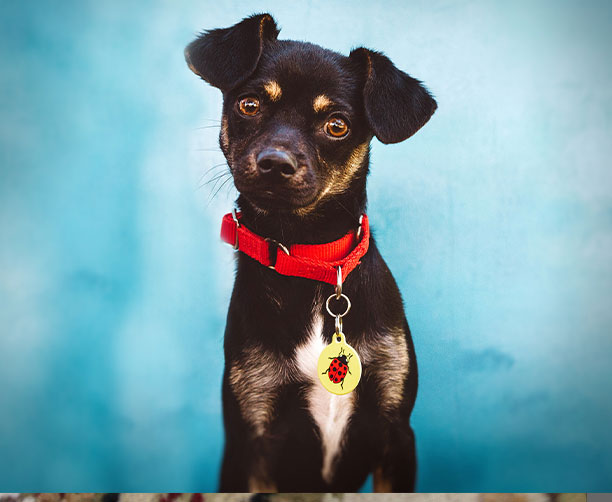
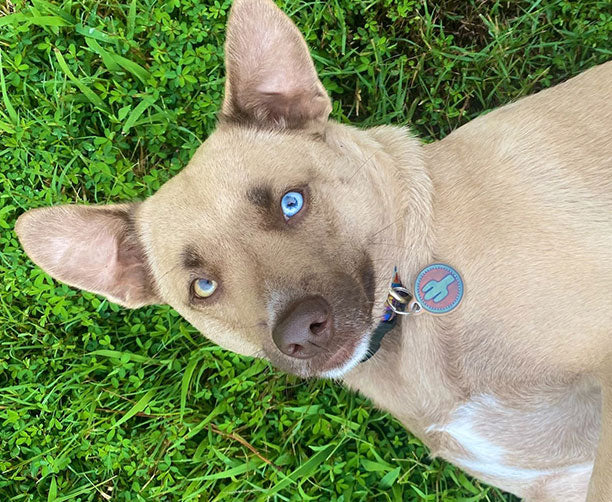

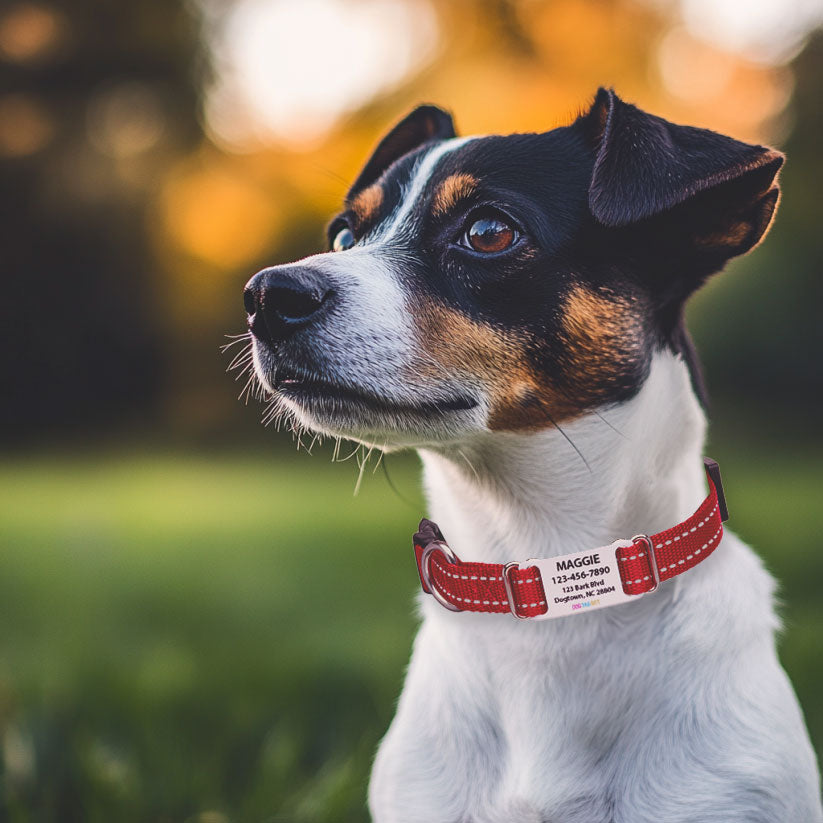
Former ASPCA VP of Research, Dr. Emily Weiss has confirmed through scientific research that simple pet ID tags with name, address, and phone number can drastically increase the return-to-owner rate (RTO).
"The use of a simple ID tag that includes the name, phone number, and address of the guardian would support community return of a lost pet. Ideally, lost pets with ID tags should never enter the sheltering system, as they are returned directly by the finder who calls the guardian's number clearly displayed on the tag. This means we could decrease intake by increasing the use of simple ID tags."
Her research also indicates one problem: human laziness and/or ignorance! They gave ID tags to a number of new pet owners. Of those people who got free tags, almost 75% reported that their pet wears the pet ID tag all the time. The same people, before their free tag, reported their pets were protected all the time only 33% of the time.
The Number That Should Stop You Cold
Read that gap again: 33% to 75%. Same owners. Same pets. Same good intentions. The only variable was whether a tag was already in their hand.
That's the entire story of the need for pet ID tags in one statistic. Nobody in that study loved their dog less before the free tag arrived. They just hadn't gotten around to it; it was on the mental list somewhere behind the vet appointment and the grocery run. Then a tag showed up, took four seconds to clip on, and two-thirds of the unprotected pets in that group became protected ones.
Meanwhile, the ASPCA estimates roughly 6.3 million companion animals enter U.S. shelters every year. Dogs go home about 26% of the time. Cats? Around 5%. A finder holding a tagged pet makes a phone call. A finder holding an untagged pet makes a trip to the shelter, and the odds get significantly worse from there.
Should All Dogs Have Tags? Should All Pets Have ID Tags?
Yes. Both. And the objections are worth answering directly, because they're the reason so many pets are out there naked:
-
"He's microchipped." Great–keep it. But a chip requires a scanner, and your neighbor doesn't own one. A chip works at the shelter; a tag works on the sidewalk, in the first ten minutes, before your dog ever becomes a shelter statistic. They're partners, not substitutes. Also: is the chip registry actually current? Most aren't.
-
"She's an indoor cat." Doors open. Screens fail. Contractors prop things. Indoor cats are exactly the population with a 5% return rate, because nobody expects them out, so nobody puts a tag on them. All pets should have ID tags, indoor status included.
-
"He never leaves the yard." Until a delivery truck backfires, or a gate latch doesn't catch, or a thunderstorm rolls through at 2 a.m.
-
"Tags are noisy." Fair. That's a solvable problem. A silencer or a slide-on collar tag fixes it in a way that not having ID does not.
The case that all dogs should have pet ID tags isn't really an argument. It's arithmetic. A tag costs less than one bag of treats and turns a multi-day nightmare into a five-minute phone call.
What Belongs on the Tag
Not everything, and not nothing. The sweet spot:
-
Your phone number: The single most important line. Two numbers if the tag has room.
-
Your pet's name: Helps a finder calm and hold your pet, and confirms they've got the right animal when you call.
-
A city or street: Enough for a neighbor to know where home is, without publishing your full address.
-
A medical flag if it applies: "NEEDS MEDS" or "DIABETIC" changes how urgently a finder acts.
And check it annually. An outdated number is functionally the same as no tag at all–a finder dials, gets a disconnected tone, and drives to the shelter anyway. Every phone-number change, every move, every new pet in the house is a reason to look at what's hanging off the collar.
Tags Your Pet Will Wear
Here's the piece the research doesn't capture: lost pet ID tags only work if they're on the animal. And the tags that stay on are the ones owners actually like — the ones that don't look like a hardware-store afterthought.
That's the whole premise here. Custom dog tags with artwork worth showing off, cat ID tags sized for a small collar, ID tags for all the personalities in your house — because the tag you're proud of is the tag that's still on the collar six months from now, when it matters.
Browse the full pet ID tag collection and find one that looks like your pet picked it out.