


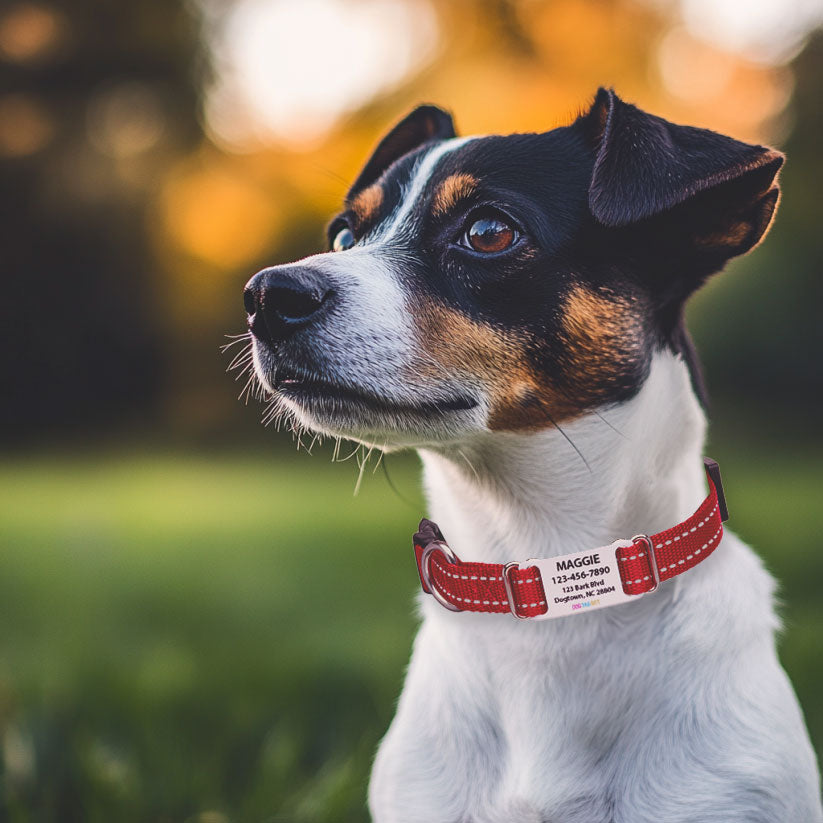

Ever notice your dog doing that exaggerated lick of their nose and mouth, seemingly out of nowhere? It's not just a quirky habit. Understanding why dogs lick in this specific way can tell you a lot about what's going on inside their head. Spoiler: your pup might be picking up on your mood more than you realize.
What Is Mouth-Licking, Anyway?
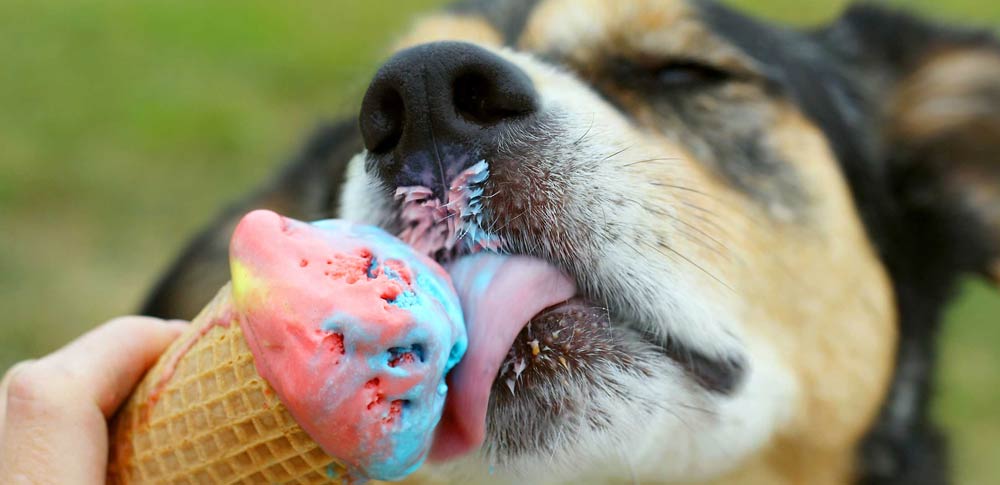
You might know it by its internet-famous name: the mlem. But this isn't your everyday face-licking-for-affection kind of move. A mlem is that unmistakable, sometimes slobbery licking of the nose and mouth area that seems almost involuntary. Scientists call it mouth-licking, and recent research has dug into what this particular piece of dog body language actually means.
Turns out, it's one of the most telling dog stress signals out there, and it's directly tied to how your dog reads your emotions.
The Science Behind the Mlem
In a fascinating study, researchers exposed over a dozen dogs to a series of audio and video cues representing both positive and negative emotions. What they discovered was eye-opening:
Mouth-licking happened far more frequently when dogs were looking at angry human faces. The response was triggered by visual cues only, not sounds. And here's the kicker: dogs displayed this behavior more often toward human stimuli than toward other dogs. These findings suggest that dogs have a functional, visual understanding of emotional expressions, meaning your dog isn't just reacting to your tone of voice. They're literally reading your face.
So What Does This Really Mean?
When it comes to dog behavior meaning, mouth-licking is a prime example of dog appeasement behavior. Think of it as your dog's way of saying, "Hey, I see that you're upset, and I really don't want any trouble." It's one of several well-documented dog calming signals: subtle cues dogs use to de-escalate tension and communicate peaceful intentions.
This kind of emotional awareness highlights just how deeply tuned in our dogs are to our feelings. They're not just hanging around for treats (okay, maybe a little). They're genuinely connected to us on an emotional level, constantly reading the room and responding accordingly.
What You Can Do About It
The practical takeaway here is simple but powerful. If you notice your dog going full mlem mode, take a beat and check in with yourself. Are you stressed? Frustrated? Giving off what we'll politely call "jerk-face energy"? Your dog has probably already noticed.
Next time you see that telltale lick start up, try offering your pup a smile, a gentle pat, or a reassuring word. They'll be relieved to see your good mood restored, and honestly, pausing to connect with your dog is a pretty great reset for you, too.
Because at the end of the day, that goofy, slobbery mlem is really just your dog's way of saying, "I care about how you feel." And if that's not the definition of a best friend, we don't know what is.